
BEST OVERLAND VEHICLE GUIDE: 5 THINGS TO LOOK FOR BEFORE YOU BUY OR BUILD


Choosing or building on the right platform is one of the most important decisions any adventurer will make. Look around any trail or camp today, and you’ll see everything from massive, built-out full-size trucks to vintage 4x4s and nimble mid-size SUVs.
With so many options, aftermarket accessories, and differing opinions floating around the internet, it's easy to get overwhelmed.
When you strip away the flashy mods, the rooftop tents, and the social media hype, what actually makes a great rig? After thousands of miles guiding expeditions through some of the most remote country in the American West, I’ve distilled my criteria down to a core philosophy.
If you are trying to figure out your ultimate overland vehicle build checklist, here are the five non-negotiable traits I look for in an off-road platform.
1. RELIABILITY: WILL IT GET YOU HOME?
The number one rule of the backcountry is simple: You have to be able to get back. When you are deep in the desert or navigating remote mountain passes, a mechanical failure isn't just an inconvenience, it can quickly become a survival situation. When evaluating a platform, the primary question I ask is: Can I trust this machine to travel long distances under load and successfully bring me home?

Reliability means choosing a platform with a proven track record. It’s about prioritizing a healthy, well-maintained drivetrain over flashy modifications. Before you spend a dime on a lift kit or a bumper, ensure your baseline maintenance including the cooling system, brakes, and belts are absolutely flawless.
2. DURABILITY: CAN IT HANDLE THE ABUSE?
Overlanding is incredibly tough on machinery. You aren't just driving on dirt roads; you are subjecting a vehicle to hundreds of miles of continuous corrugations, frame-twisting washouts, sharp rocks, and deep mud holes—all while carrying the extra weight of camp gear, water, fuel, and recovery equipment.

Durability is a vehicle's strength under pressure. I look for platforms with robust frame construction, heavy-duty axles, and components designed to handle the extra payload of overland travel. A durable rig can take the daily, rhythmic beating of the trail day after day without developing structural fatigue or mysterious rattles.
3. SIMPLICITY: CAN YOU FIX IT IN THE FIELD?
Modern off-road vehicles are engineering marvels, but they are also rolling computers. Complex air suspension systems, proprietary electronic modules, and intricate wiring can easily leave you stranded on the trail if a single sensor fails.
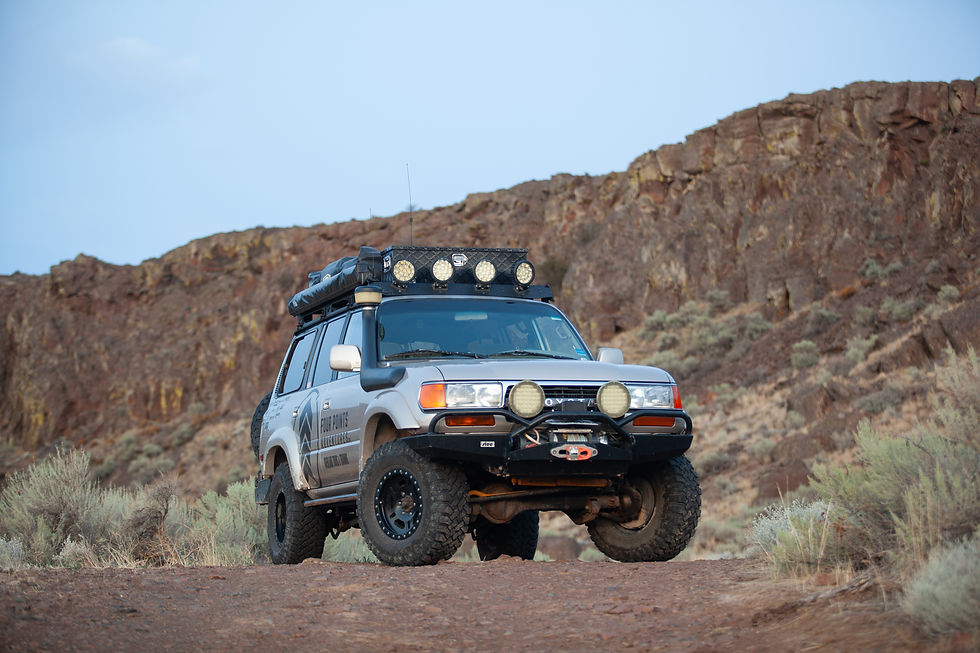
My Philosophy: The best overland vehicle systems are simple enough that I can personally diagnose and repair them on the side of a trail with a standard toolset.
When things go wrong (and eventually, they will) simplicity is your best friend. Look for straightforward mechanical systems. The easier it is to access a part and understand how it functions, the higher your chances of executing a successful trailside repair and keeping your trip moving forward.
4. MOBILITY: IS IT THE RIGHT SIZE FOR YOU?
Mobility is all about the vehicle's physical capability to navigate the specific terrain you want to explore. There is no one-size-fits-all answer here; it requires matching your rig to your destination.
When evaluating mobility, look at:
Ground Clearance: Can it clear rocks, ruts, and obstacles without constantly scraping its underbelly?
Vehicle Dimensions: Is it appropriately sized for the trails? A massive, full-size truck might be great for open desert highways, but it can quickly become a liability on tight, wooded switchbacks or narrow canyon walls.

Choose a platform that offers the right balance of interior space and trail agility for the places you intend to track.
5. COMMONALITY: CAN YOU FIND PARTS EASILY?
This is the most overlooked factor in an overland build. You might have the most unique, custom-built imported rig on the planet, but if a proprietary alternator or wheel bearing fails in a small rural town, you are completely stuck.

If you can't fix a mechanical issue yourself, is your vehicle common enough to the area you are traveling in that a local mechanic can diagnose it and actually find parts? Choosing a widely sold, mainstream vehicle platform ensures that almost any auto parts store along your route will have your components in stock, and any local mechanic will be familiar with how to fix it. Commonality equals peace of mind when you push far outside your local safety net.
WHAT IS THE BEST OVERLAND VEHICLE?
Building the perfect overland rig isn't about buying the most expensive vehicle on the market. It’s about finding a reliable, durable, and manageable platform that matches your specific travel goals.


Comments